
Bookended by two very different versions of the same song, a DIY challenge inspires me to present some of my favourite water-themed tunes. Enjoy!
First Word
First off, thanks to everyone who got in touch to say they had really enjoyed battling through last month’s epic blog – your support is really appreciated.
A couple of months back I playlisted a song relating to fixing the floorboards in my son and his partner’s new flat in Edinburgh. We were back obsessing about the floorboards this month, or at least what they might be hiding, as we have been struggling to locate the water supply stopcock in the property. God knows how many times the plumbing has been changed since the tenement flat was built in the late 1800s but the location of this essential item remains a mystery, despite poking about in many dark places. With this on my mind, this month’s epistle presents six songs themed around water.
Wade In The Water – The Staple Singers (1967)
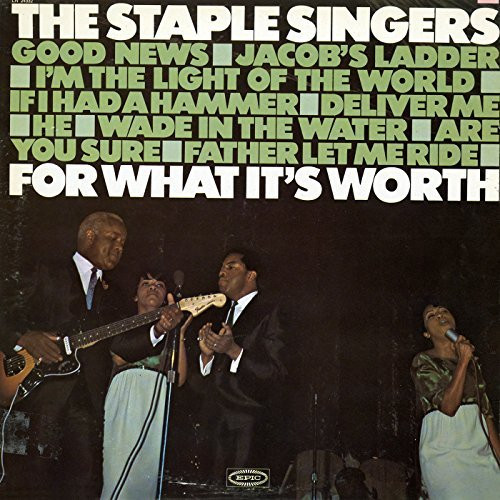
The first of four mid-sixties soul classics on the playlist, the Staple Singers’ version of this old African-American spiritual opens proceedings this month. It is believed that Wade in the Water was one of the songs associated with the Underground Railroad, the network of secret routes and safe houses across America set up by abolitionists for escaping slaves during the early-to-mid 19th century. The song is thought to reflect the Israelites’ escape out of Egypt across the River Jordan as described in the Old Testament and was used as a coded message to signal that escapees should get in the water to hide their scent. With no known composer, the song lyrics were first co-published in 1901 by Frederick J. Work and his brother, John Wesley Work Jr, who was the first African-American collector of folk songs and spirituals. The first commercial recording of Wade in the Water was made in 1925 by The Sunset Four Jubilee Singers and released by Paramount Records.
The Staple Singers are widely considered as the first family of gospel and soul music, who began performing as a group in churches in Chicago in the late 1940s. Led by father Roebuck “Pops” Staples, they turned professional in 1952 and their early career was spent recording in an acoustic gospel-folk style with various record labels. Their 1956 recording of Uncloudy Day, with 16-year-old Mavis on lead vocal, was an early influence on the young Robert Zimmerman. By the time the band signed to Epic Records in 1965, they were closely involved in the civil rights movement and the title song of their first LP for the label Freedom Highway was written by Pop for the 1965 Selma to Montgomery march for voting rights.
The group named their 1967 album after their excellent cover of the Buffalo Springfield single For What It’s Worth, written by Stephen Stills about the 1966 anti-war protests and counter-culture clashes between police and young people in Los Angeles. It was this LP that featured the Staple Singers’ version of Wade In The Water, opening with Pop riffing on his trademark modified Fender Jazzmaster played through his DeArmond 601 tremolo control unit. He takes the gentle lead vocal on the opening chorus before Mavis powers into the verses. Fantastic stuff and it’s well worth a look at Pops, Mavis, Pervis and Yvonne performing it live on this video – what a sound!
Down By The Water – The Decemberists (2010)
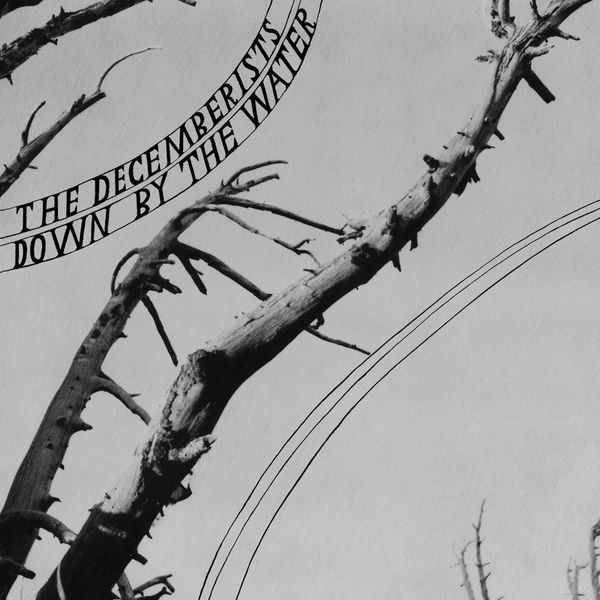
The Decemberists make their fifth appearance on WIS with Down By The Water, a single issued in advance of their 2011 album The King Is Dead and, by some way, the most modern waxing in this month’s list of six. However, it would be disengenuous to describe the Portland-based band’s music as modern, rooted as it is in 60s British folk. I have previously posted that leader Colin Meloy’s songs can be whimsical, epic and dark and are often based on mythological or historical events. In 2006, I bought their 2006 album The Crane Wife to find it has one song about a UVF faction in 1970s Belfast and another about the Seige of Leningrad. Two years later, their fifth LP Hazards of Love was a complex, sprawling folk-rock concept album where a young woman falls in love with a shape-shifting forest dweller and murder ensues. Rock’n’roll!
By the time they reached their sixth album The King Is Dead, Meloy had reined in the scope of his lyrical storytelling. He moved to a simpler, more nostalgic 1970s folk-rock vibe and a stripped-back Americana sound inspired by the likes Neil Young and R.E.M. Down By the Water opens with a blast of harmonica by Meloy reminiscent of Young’s Heart of Gold. And the simple but glorious 12-string guitar part is played by Peter Buck on his Rickenbacker 360/12. The wonderful harmonies are provided by Gillian Welch, whose distinctive voice blends well with Meloy’s equally distinctive warble. While shape-shifters are absent, the lyrics maintain a poetic intensity, painting a nostalgic image of the now-forgotten maritime history of the the old main drag of Portland’s riverfront. The song’s E-minor key leaves you with a haunting, bittersweet feeling of past lives and lost traditions and it contains my favourite ever musical reference to a tightly woven twill fabric:
“All dolled up in gabardine, the lash-flashing Leda of Pier Nineteen
Queen of the water and Queen of the old main drag”
Turns out that, in Greek mythology, Leda was the wife of Tyndareus, the King of Sparta. Of course she was!
You Left The Water Running – Maurice & Mac (1968)
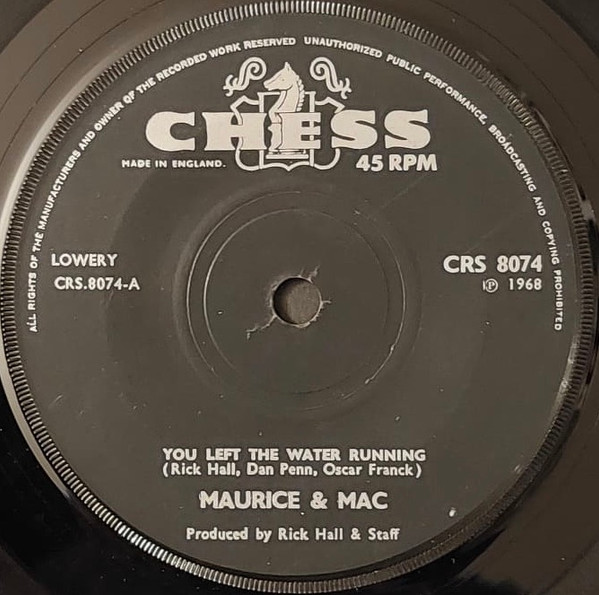
I’ve lost count of the number of songs that I’ve written about on here over the years that reference the famous NME tapes, compiled by the legendary Roy Carr for the inky music paper in the 1980s. This is another one. I first heard this 1968 song in 1984, having sent away my postal order for a copy of NME011 titled Chess Checkmate. On this tape, Carr was assisted by NME editor Neil Spencer and much-loved journalist Charles Shaar Murray in compiling 22 classics from the back catalogue of Chess Records. The Chicago label’s roster included Howlin’ Wolf and Muddy Waters among many other stars of blues and soul, as can be seen from the fantastic track list at the marvellous NME Cassettes Redux website. But one of my favourite tracks on the tape was You Left The Water Running by the little-known Maurice & Mac. Maurice McAlister and Green “Mac” McLauren were former members of the Chicago vocal group The Radiants (also on the the NME tape!) and, while they recorded several single for Chess, they never had any commercial success.
The song was written by Dan Penn, Oscar Franks and Rick Hall for Wilson Pickett to record it for his 1967 LP The Wicked Pickett. However, before this could happen, Hall had persuaded Ottis Redding to record a demo vocal for the song when he was visiting Hall’s FAME studio in Muscle Shoals. Redding’s demo was thought lost in the vaults until 1976 when it turned up on a limited number of unlicensed singles on the Stone Records label. With Redding having died tragically in 1967, his estate requested the single be withdrawn and copies destroyed. However, several copies survived and it became a sought-after rarity – so much so, it featured in the storyline of Nick Hornby’s terrific novel Hi-Fidelity.
In this scribe’s humble opinion, both Pickett’s and Redding’s recorded versions are completely blown away by the 1968 recording by Maurice & Mac. The pizzicato string opening leads us into the funky drum and bass lines, as bluesy guitar riffs and horn blasts cut across the mix. The two vocal parts are just sublime, particularly when the backing drops to the church organ section at 1:48 before everything tumbles back in for the finish. Terrific stuff.
Madman Across The Water – Elton John feat. Mick Ronson (1970)
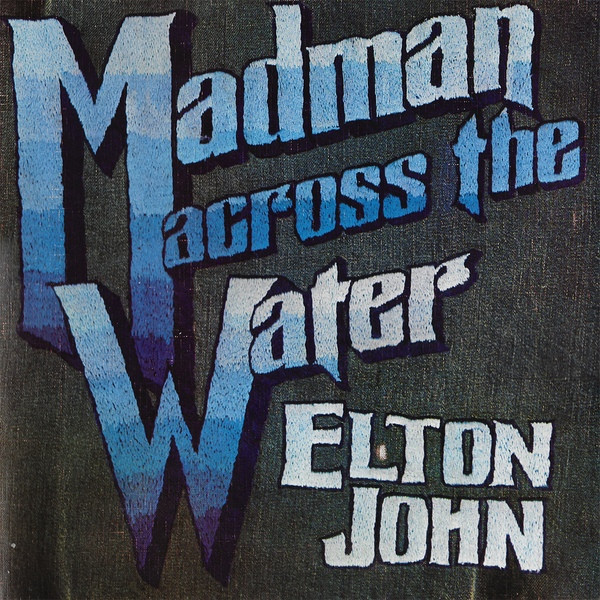
On this fourth blog appearance for the artist formerly known as Reginald Kenneth Dwight, I’m going to direct the enthusiasts among you to a piece I wrote about Elton John’s first and last Glastonbury appearance back in WIS 30Jun23. Among much chuntering about the old fella’s choice of guests and his knackered legs (I feel your pain, Reg!), I stated that I was “of the slightly curmudgeonly view that he hasn’t done anything worthwhile musically since Goodbye Yellow Brick Road in 1973.” I went on to confess a late-in-life conversion to his pre-1972 recordings, partly driven by the adoption of Elt and Bernie Taupin’s Tiny Dancer as a kind of ubiquitous millennial anthem due to it being heavily featured in Cameron Crowe’s cult movie Almost Famous.
Tiny Dancer was lifted from EJ’s 1971 album, Madman Across The Water, and this month I’m playlisting an early version of the title song from that LP. It was recorded during the sessions for John’s previous album Tumbleweed Connection and was unknown to me until comparatively recently. It’s a musically complex, dramatic song with a dark lyric written by Taupin from the point of view of an incarcerated lunatic, which he always denied was based on Richard Nixon. Producer Gus Dudgeon had invited Hull-based guitarist Mike Chapman to the studio play on the sessions in March 1970 and he turned up with his mate Mick Ronson in tow. The talented, classically trained Ronson had just been recruited to back David Bowie and had debuted on Bowie’s John Peel Sunday Show Concert for Radio 1 a month earlier. With Herbie Flowers on bass, the musicians began working up Madman with EJ and Chapman was tasked with the acoustic harmonics for the opening bars, balancing the piano part. Ronson’s role was to pick up the main six-note lead guitar riff on his distinctive, amped-up 1968 Les Paul Custom. While he does this admirably, you will hear that he does a great deal more. His deft, melodic fills behind the vocal in the verses really catch the ear, but it’s his trademark shredding solos in the instrumental break and in the extended outro that somewhat take over the song and help the track reach nearly nine minutes long.
When Elton’s record company boss Dick James heard the track, he reportedly went nuts, telling him to go and record it again as it sounded like Elton “was singing in Ronson’s fucking band!” In the end the song never went on to Tumbleweed Connection but was held over and re-recorded as the title track on the next album. The released version was shortened to six minutes and is considered by some to be more polished and in keeping with the rest of the LP. Davey Johnstone and Chris Spedding handle the guitars in the background with Ronson’s gritty solos replaced by sweeping string arrangements. Notably, Elton’s piano plays a greater role, presumably to remind everyone whose band it is.
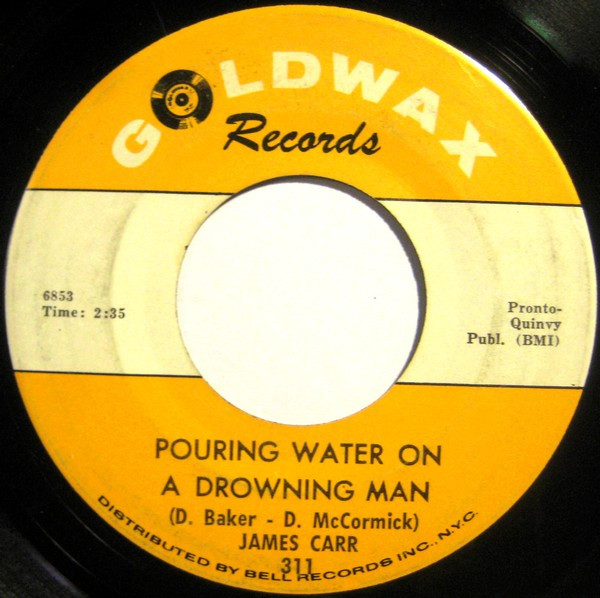
Pouring Water On A Drowning Man – James Carr (1966)
It’s not only the NME tapes that have expanded my musical horizons over the years – being a lifelong fan of Elvis Costello and seeing him perform live many times has had a hand in it too. The Hope and Anchor story in last month’s blog told of him performing four covers of old sixties tunes and a dip into the exhaustive archives of The Elvis Costello Wiki confirms that Don’t Look Back by the Temptations was one of over 200 covers that have been officially released in one form or another over his career. The other three tunes appear on a list of over 400 songs that he has performed but haven’t been released. Now there’s a 600-song playlist waiting to be compiled!
My extra-curricular musical journey with EC began with the release of Stiff Live Stiffs in February 1978, where he opens side two of the compilation LP from the infamous record label package tour by announcing “This song was written by Burt Bacharach and Hal David”. Huh? The Attractions then swing into a terrific version of I Just Don’t Know What To Do With Myself, made famous by Dusty Springfield. To say the scales fell from my eyes is an understatement.
Seventeen years and many covers later (The O’Jay’s Backstabbers at Glasgow Tiffanys in 1982 being a particular favourite), Mr McManus released a collection of 15 covers in 1995 which he called Kojak Variety. All the songs dated from before 1970 and were chosen to be unfamiliar tunes by familiar artists, ranging from I’ve Been Wrong Before by Cilla Black (which he learned from the Dusty Springfield version) to Bama Lama Bama Loo by Little Richard (learned from a single given to him by his dad, Ross, who sang with Joe Loss).
Some songs work better than others, but Pouring Water on a Drowning Man was a highlight for me as I recalled EC playing it when he toured his King of America LP with The Confederates back in 1986. Apparently he had heard the original recording of the tune by James Carr on a Japanese label while touring there. Carr is best known for his vocal performance on the definitive version of The Dark End of the Street, as featured on The Commitments soundtrack but also recorded by Costello in 2004! As a fan, I’m sure EC would happily accept that Carr’s superlative soul voice wipes the floor with his version of Pouring Water. Carr takes the song to a different level – listen out at 1:53 for him letting himself go to sing “I cry in mercy baby, just try to understand”. Now that’s soul music!
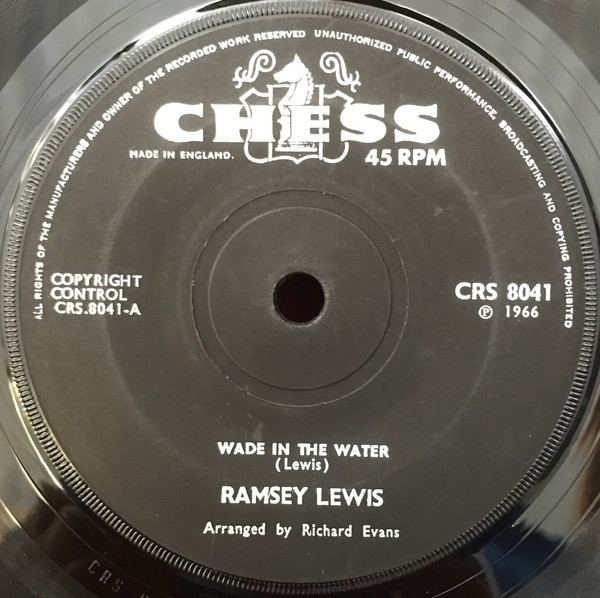
Wade In The Water – Ramsey Lewis (1966)
Playlisting more than one version of a song is quite unususal for the blog as a whole, never mind doing it in one edition of WIS! But here we are back at another Chess Records classic from that NME Chess Checkmate tape as Ramsey Lewis gives us his take on Wade In The Water. If you have the playlist on a loop going back to the Staple Singers version, you will struggle to associate the two records, so different is the instrumental arrangement on the Lewis recording.
Born in 1935 in the projects in Chicago native to Curtis Mayfield and Jerry Butler, Lewis began taking piano lessons at the age of four from his choir-master father’s church pianist. He moved on to be taught classical piano at the Chicago Musical College but became interested in jazz when he saw Wynton Kelly play with Miles Davis. He played in several groups growing up, eventually forming the Ramsey Lewis Trio with drummer Isaac “Redd” Holt and bassist Eldee Young. They began releasing a series of LPs in 1956 featuring their jazz instrumental takes on a wide range of standards and the occasional Lewis original. In 1965, the trio released a live recording from the Bohemian Caverns nightclub in Washington DC where they performed their own take on Dobie Gray’s hit The In-Crowd. Incredibly, Lewis only heard it for the first time on a juke box in a nearby cafe as the trio met before the gig to discuss what they were going to play! Released as a single, their jazz version took the trio from obscurity to No 5 in the US Hot 100.
The trio split in early 1966 and the now famous Lewis hired a new rhythm section including drummer Maurice White, who would go on to form Earth Wind and Fire. Seeking another crossover pop hit, Lewis and Richard Evans worked on an arrangement of Wade In The Water. It opens with a blast of horns, then drops into a driving, infectious drum and bass groove before Lewis’ terrific piano part uses his gospel and classical training to wander all over the keyboard. The horn phrasing is as tight as can be and those dragging handclaps and shouted encouragements are just a joy to behold. An absolutely outstanding piece of music which made the US top twenty. Amazingly, it only received it’s modest UK chart placing of No 31 in 1972 when finally released as a single after being used by the BBC as the theme tune for the now-forgotten architectural documentary series Nairn Across Britain. Go figure!
Last Word
Well, despite my best intentions, this edition turned out to be only slightly less lengthy than last month’s tome. Thanks for getting this far – I really must get an editor!
I’ll not keep you much longer other than point you to the subscription box and the Master Playlist link below. Sign up for more nonsense delivered every month and give your ears a treat.
AR
If you enjoyed this, there is plenty more where that came from. Subscribers receive a link in their inbox every Friday of publication at 5pm UK time. You can’t start the weekend without it.
WIS FREQUENT FLIER TAG CLOUD
Allison Russell Amy Winehouse Aztec Camera Billy Bragg Blondie Brandi Carlile David Bowie Eels Elton John Elvis Costello & The Attractions Emmylou Harris English Teacher Everything But The Girl Ezra Collective Faces Gang of Four Gil Scott-Heron Jason Isbell and the 400 Unit John Grant Johnny Cash John Prine Madness Nick Cave & The Bad Seeds Paul Weller Prefab Sprout Public Service Broadcasting Ramones Roxy Music Simple Minds Sparks Steve Earle Talking Heads Taylor Swift The Beatles The Clash The Cure The Decemberists The Jam The National The Rolling Stones The Stranglers The Undertones The Waterboys The Who Wilco
WIS VAULT SEARCH


Leave a Reply