Back from the other side of the world to take up the pen after three great guest blogs have made my job a bit more challenging. Enjoy!
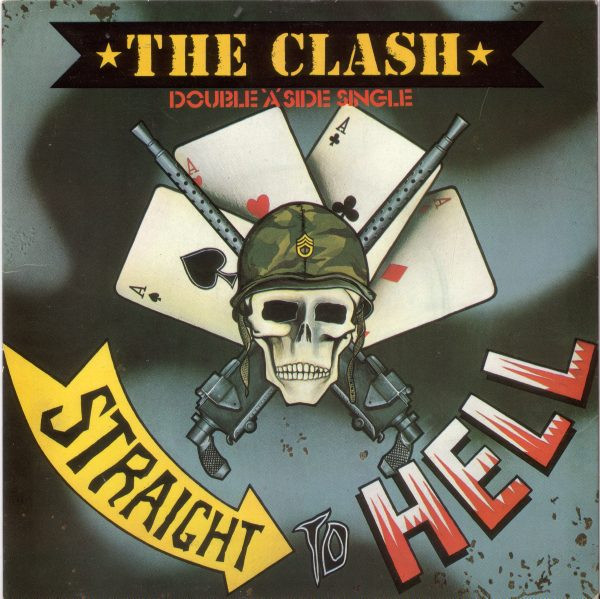
Straight To Hell – The Clash (1982)
I wanted to start this week’s blog with a tune that came into my head often as we travelled through the vibrant and chaotic cities of Vietnam and Cambodia in the last few weeks. Along the way, we ingested both country’s hellish history of conflict and pain and saw first-hand their culture of resilience and hard work which will hopefully give them a sustainable, peaceful and stable future. Combat Rock was the last Clash album to feature the original band although the musical differences and impacts of addiction which would lead to their break up had begun. Recorded mostly in New York, the tracks resonate with post-colonial themes and frequently reference the impact and aftermath of the Vietnam War, none more so than the ‘Amerasian Blues’ of Straight To Hell. For context, Saigon had only fallen seven years earlier and the genocidal Khmer Rouge had only just been driven out of power in Cambodia when this was released as a double A-side single with the more radio-friendly Should I Stay Or Should I Go. The track was written and recorded in a sleepless 24 hour period at the end of the sessions as the band were due to fly back to the UK. With it’s weird bossa nova rhythm pattern and the haunting, oriental sliding violin part, it was accurately described by writer Pat Gilbert as “being saturated by a colonial melancholia and sadness”. Strummer’s atmospheric lyric grabs your attention with the second verse describing the abandonment of children in Vietnam who were fathered by American soldiers during the war. Using the Japanese ‘san’ honorific employed as slang by the US soldiers, a child pleads in vain for his papa-san to take him home. “Let me tell you about your blood, bamboo kid/It ain’t Coca Cola, it’s rice” was the response line that resonated with me when I first heard it all these years ago and it still does now.
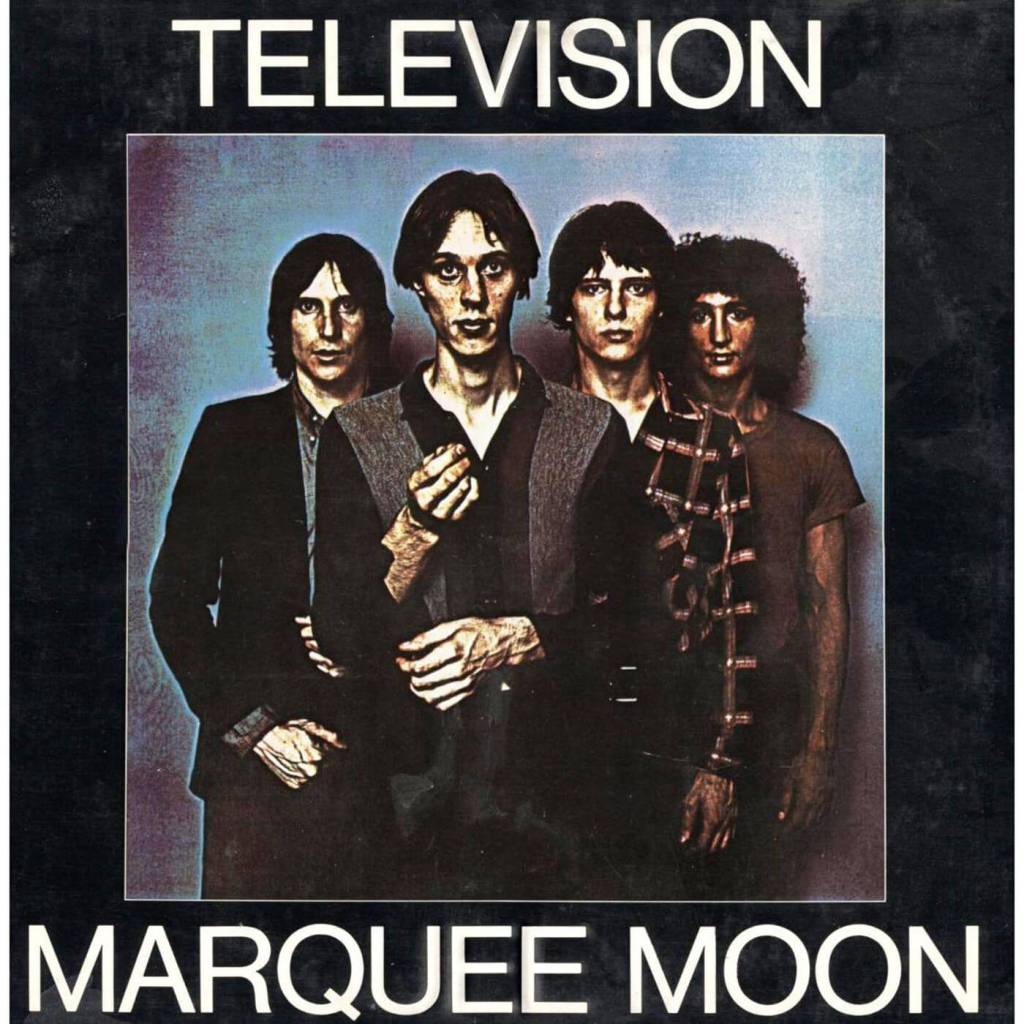
Friction – Television (1977)
This second track is also a bit of a throwback to our SE Asia trip although, unlike the Clash song above, the link is far from direct. Having honed our approach to crossing the road in the traffic madness of Hanoi (walk out purposefully and they will avoid you), we ventured into the humid and noisy old town to seek out local street food dish Bun Cha, famously eaten by Barak Obama back in 2016. We consumed our grilled pork with vermicelli and fish sauce sat on the ubiquitous low blue plastic seats and washed it down with cold bottles of Bia Hanoi, which from memory were about 75p each. Later on in the evening, we found ourselves paying significantly more for our beers in the contemporary surroundings of the Pasteur Street Brewing Co, a trendy real ale joint run by hip young Vietnamese. It came recommended by friends who visited the original outlet in Ho Chi Minh City, or Saigon as it was known back when the titular street was named after Louis by the colonial French. The hike in price was compensated by the sounds on the speakers and when this track from their seminal 1977 debut album Marquee Moon came on, it struck me that Television had never yet made it on to the blog. Later in our trip we visited the original bar but by that time we had travelled south through the full 1,500km length of a country that, although it has been one nation again for nearly 50 years, still shows some modest tensions between those living in the North and those in the South. Recorded just at the end of the war, Friction felt like the correct tune to playlist. But you will have to wait for Television’s next blog appearance to hear more about their signature jigsaw puzzle sound of Tom Verlaine and Richard Lloyd’s dual guitar parts. Verlaine sadly died this year but I was lucky enough to see them perform this track as an encore in their last gig in Scotland at the late lamented 02 in Sauchiehall St in June 2016. Class.
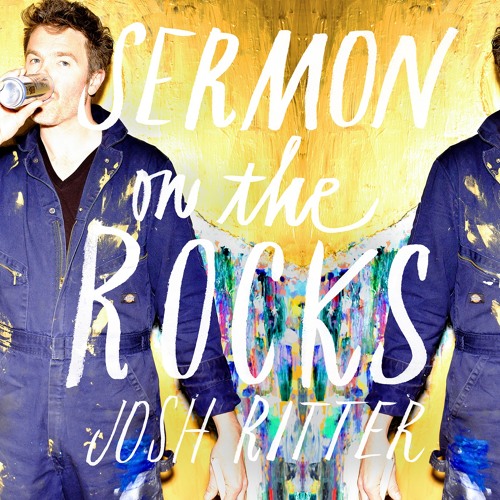
Homecoming – Josh Ritter (2015)
Just before we left, we watched the seventh and final season of American drama series Billions. Set in the ruthless world of hedge funds and high finance misdemeanours, it seems an unlikely favourite of someone who struggles to understand how his pension works. But having decided to let all the investment terminology wash over us during the first season, we have been hooked on the drama of greed and power among the morally dubious characters ever since. The always excellent Paul Giamatti stars as Chuck Rhoades, the crusading Attorney General of New York with a wayward distaste for wealthy criminals. Erstwhile singer songwriter and husband of the much-missed Helen McCrory, Damian Lewis stars as the ambitious lawbreaking Bobby Axelrod, making his …erm… billions any way Axe Capital can bend the markets. They are joined by a wonderful range of supporting characters (Wags, Wendy, Taylor, Scooter, Charles Snr, Dollar Bill!) in storylines full of political intrigue and financial skulduggery and its all ridiculously great fun. As all good drama series should, it has a brilliantly eclectic soundtrack with tracks from Metallica (the Axe Capital house band) to Townes Van Zandt and everywhere in between – someone has kindly collected all 253 songs here! The Season 2 finale ended with this amazing song taken from Americana artist Josh Ritter’s eighth album Sermon On The Rocks. It plays as Wendy walks home on a cold dark winter evening to the NY brownstone she shares with Chuck. Ritter’s lyric is a story in itself with the music moving from a mournful piano to his voice backed by his band chugging away in the background. It then drops into an acoustic middle eight before returning to that glorious rhythm. It was reprised for the final Season finale and fully deserves a place on this playlist and hopefully in your hearts, too.
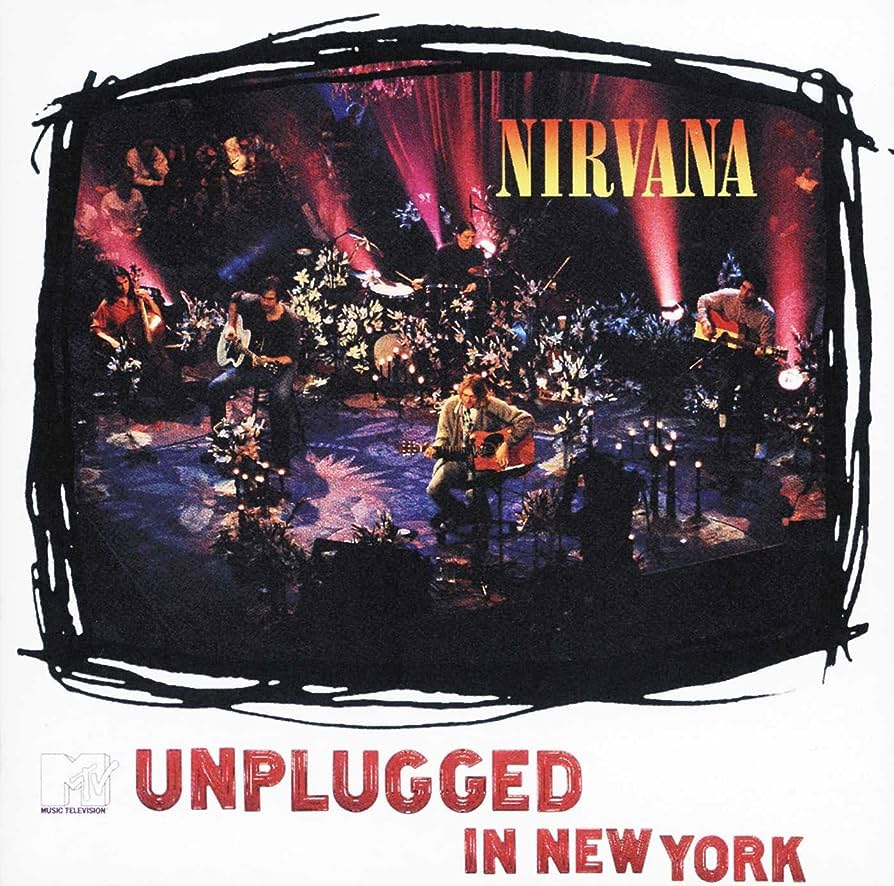
The Man Who Sold The World – Nirvana (1993)
The weekend just past marked the 30th anniversary of the recording of the MTV Unplugged Special in New York featuring Nirvana when they were the biggest band in the world. It was broadcast on MTV in December 1993 but not released as a record until November 1994, some seven months after troubled singer Kurt Cobain had shot himself. In the early 90s, I was aware of the rise of the Seattle Sub-Pop grunge scene as I still read the music papers then. I have a memory of watching ropey Channel 4 show The Word in November 1991 in a hotel room after being somewhere with Lynn and seeing Nirvana’s first ever live TV performance of Smells Like Teen Spirit. I recognised the Pixies’ quiet-loud-quiet influence straight away but did not expect the explosion in popularity of the single (UK and US top ten) which took parent LP and major label debut Nevermind on to global success. Typically, Cobain came to be unhappy with what he saw as the polished sound of the album and was hellbent on follow-up In Utero sounding rawer like the band’s early work on Sub-Pop. Equally typical, Cobain was then fearful of agreeing to do the Unplugged show, believing the band to be too “musically and rhythmically retarded” to play this way. He also disliked other Unplugged recordings where ‘greatest hits’ were played. So, he insisted on having some minor amplification and effects available and on a setlist where nearly half the songs were covers, with guest performers sat among the prescient lilies and black candles. Finishing the set with the cracked vocal performance of Leadbelly’s In The Pines – listen to that raw gasp at 3:55 – could be argued as the high point. But I’ve chosen to go for their performance of Bowie’s 1970 song The Man Who Sold The World for the playlist. They played it early on in the set and, despite their apparent lack of self-belief, they really pull it off for a song with significant heritage.
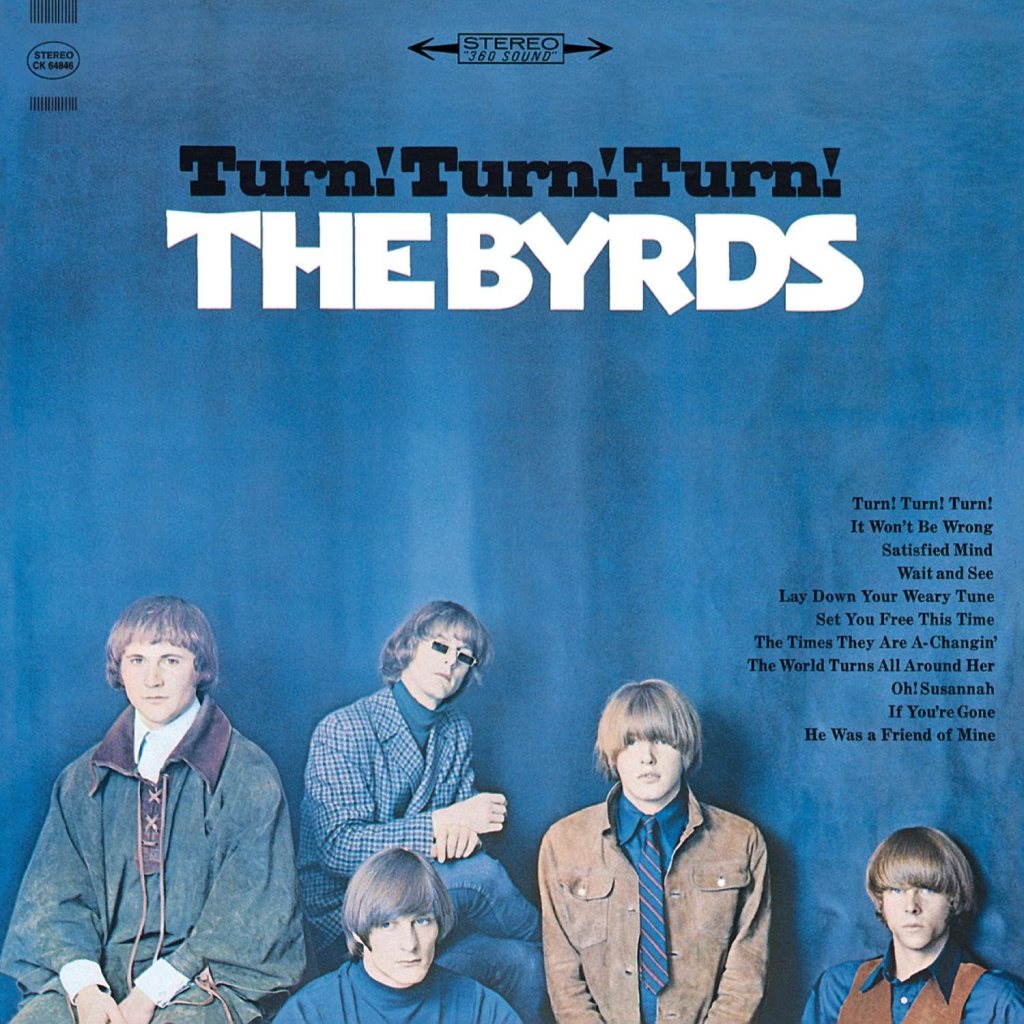
He Was A Friend Of Mine – The Byrds (1965)
“From Dallas, Texas, the flash – apparently official – President Kennedy died at 1pm Central Standard Time”. Sixty years ago this week, with these sombre words, a visibly moved Walter Cronkite confirmed the assassination of JFK on CBS television in the US. The shot that was heard across the world rang out on 22 November 1963 and arguably blew a hole in more than the president’s cranium. It also was a direct hit on the growing post-war optimism of the early 60s and was the first of four political assassinations that decade that would rock America. Had it been on Spotify, I would have playlisted Steinski’s brilliant sample-based sound collage The Motorcade Sped On which features Cronkite’s and Kennedy’s voices scratched over the drum track lifted from Honky Tonk Women with a tiny piece of Prince from Kiss. It’s an amazing record but, sadly, I can only provide you with this link to a fantastic YouTube video where someone has painstakingly matched archive video footage to Steinski’s original audio and urge you to watch it. Playlisted in its place is this revamped traditional American folk song by The Byrds. Jim McGuinn had worked on the song on the night of Kennedy’s assassination, altering the melody and reworking the lyric into a lament for JFK. But it wasn’t until the band were recording their second album Turn, Turn, Turn in 1965 that they decided to include it on a record. The song went on to become a staple of their live sets over the years and the band performed it on television at the Monterey Pop Festival in 1967. David Cosby famously introduced it claiming the now well-worn conspiracy theory that JFK was not killed by one bullet but was shot from multiple directions. This view reached a peak in 1991 with the historically inaccurate but highly entertaining JFK movie by Oliver Stone starring Kevin Costner. I vividly recall the court scene with the key piece of evidence showing the grainy slo-mo shots of Kennedy’s head with the narrative on the movement as being “back and to the left, back and to the left”.
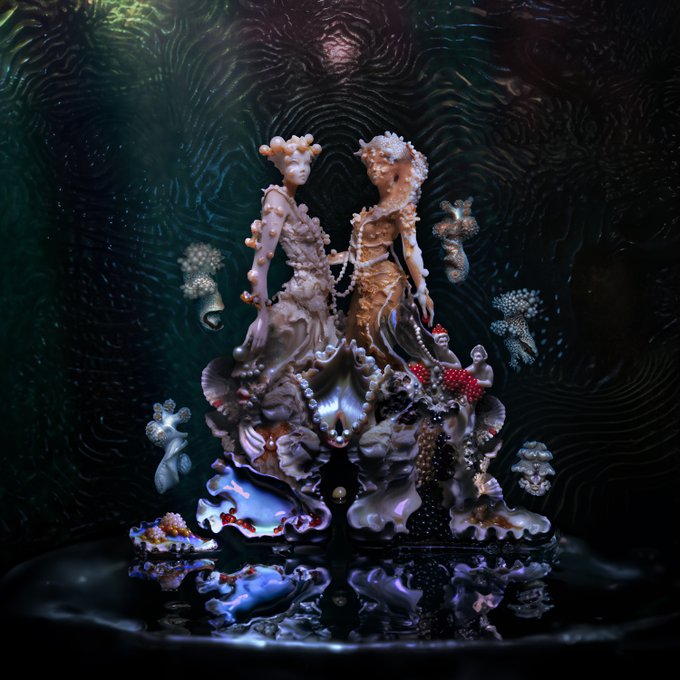
Oral – Björk (2023)
Following on from the Sigur Rós record last week, I was watching the news emerging from Iceland this week with interest. The small port town of Grindavick was evacuated due to the risk of damaging volcanic activity. Although close to the Blue Lagoon tourist area, it is an industrial town but we stopped off there for a coffee in the excellent but well-hidden Cafe Bryggjan when we were in Iceland last January. I also noticed that the world’s most famous Icelander Björk Guðmundsdóttir was 58 years old on Tuesday this week. Incredibly Björk is in the 47th year of her musical career, having released her self-titled debut album in her home country at the tender age of 11. The internationally renowned singer, songwriter, composer, record producer, actress and activist went on to form The Sugarcubes at the age of 21. After six years of indie success, they split and Björk released her first solo single Human Behaviour in June 1993. Thirty eclectic and eccentric years later and to mark her birthday, she has released this track as her 45th single. She recorded it this year with Spanish singer songwriter Rosalia although the track was written as she was developing songs in the late 1990s for her 2001 LP Vespertine. Thought to be too “poppy” to fit with the more avant garde electronica of songs like the excellent Hidden Place, the song was put on… erm… ice until now. Although not written about fish – apparently its about “wondering about revealing your feelings to a man” – the single is a charity record to protest against extensive open-pen industrial fish farming in Iceland, which is currently under scrutiny after revelations of repeated escapes of thousands of fish into the wild. A typically striking video supports the song – again, no fish to be seen among the samurai swords.
Last Word
I’d just like to thank Iain, Marion and Fraser for stepping into the breach over the last month with their guest blogs which I thoroughly enjoyed. Guest blogs are welcome at any time so if there is anyone else out there bursting to choose some tunes and write some stuff on them, please get in touch with me.
The master playlist was well used on my travels so make sure you take advantage of it too.
AR

 Week In Sound
Leave a reply to Mr Fraser Maxwell Cancel reply