To mark WIS making it through the first twelve months unscathed, this ‘year’ themed edition offers up a number-correcting birthday bonus track. Enjoy!
A Year – Status Quo (1972)
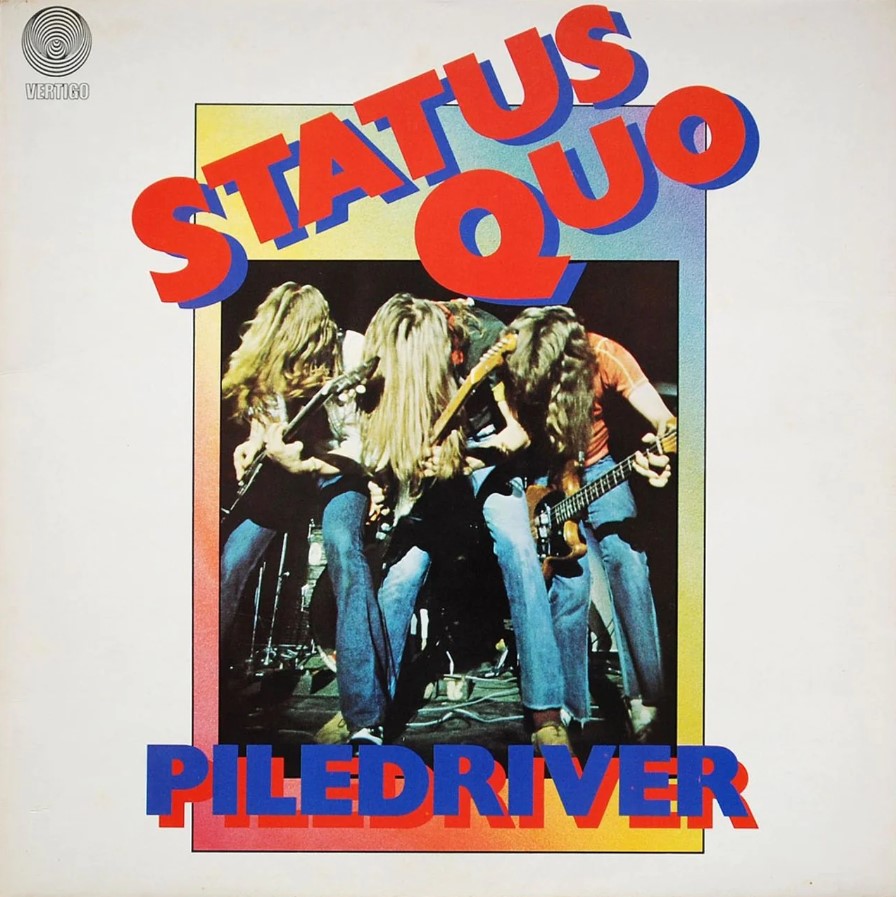
This first track comes from a potentially surprising source but, as usual, there is a story behind it. A couple of months back I playlisted a track from the first Monkees LP and told the tale of how I used to listen to that record with my old friend Mike from across the street when we were still in primary school. If you slide the clock forward a couple of years, we had both just gone up to secondary school and music was still a big thing with us and our pals. Glam rock was filling the airwaves but in November 1972 a single entered the charts that was more rock than glam – Paper Plane by Status Quo sounded different and our young ears got hooked by the chugging 12 bar riff. At that point we knew nothing of their 1968 UK top ten psychedelic hit single Pictures of Matchstick Men and their transition into writing blues tunes through a couple of albums, notably covering Fleetwood Mac’s Lazy Poker Blues and Steamhammer’s Junior’s Wailing. Mike managed to get a copy of Piledriver, the Quo album with Paper Plane on it and one look at the cover told you they were as far from Roxy Music as you could get. This was the first of what turned out to be many, many records of their self-proclaimed “heads-down, no-nonsense boogie” (often given the additional unkind adjective of “mindless”!) which sold in bucket loads through the 70s and 80s. But, despite the title and a fine cover of The Door’s Roadhouse Blues, it wasn’t all boogie as songs like All The Reasons and the laid-back, slow blues of Unspoken Words show. But it was the gentle acoustic ballad of A Year that has stuck in my mind over the last fifty years. Written in a minor key about the death of a loved one by original bassist Alan Lancaster (who plays bass, 12 string acoustic and sings), it has strong Beatles overtones in the descending bass and the harmonies, and features a lovely lead guitar part by Francis Rossi in the extended coda. Unexpected!
Reelin’ In The Years – Steely Dan (1972)
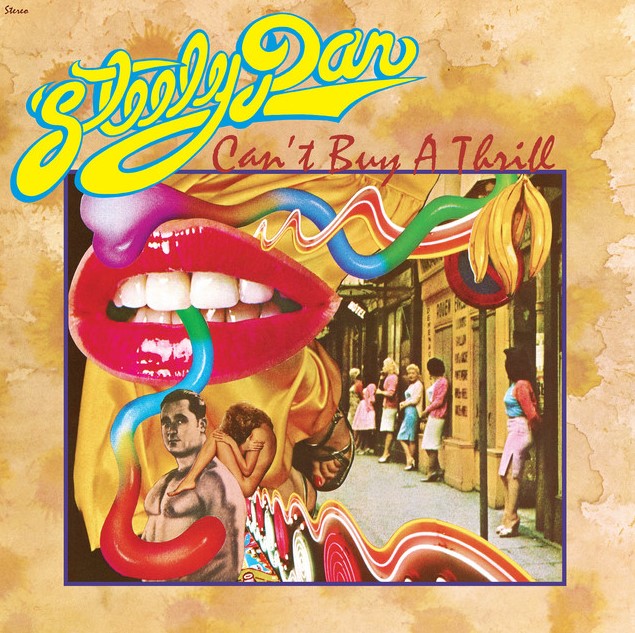
Another one from 1972 but Steely Dan were a band I really didn’t become fully aware of until the mid 70s and, as you will read, it was a while after that before I came to accept the genius of Walter Becker and Donald Fagen. After a tip of the hat in last week’s piece on De La Soul, this week’s ‘years’ theme has allowed Steely Dan to make their full WIS debut with one of their best-known songs lifted from their debut LP Can’t Buy A Thrill. As we came through secondary school, my great pal Norrie spent a lot of his spare time practicing his guitar skills and became one hell of a player. He still is! And as his skills developed, he began seeking out music that reflected his abilities and interest with more complex structures in comparison to the chart orientated stuff the rest of us were listening to. I’m not sure how he hooked into Steely Dan’s sophisticated blend of rock, jazz, soul and blues but I think it was possibly the influence of his older brother Derek, who was a drummer and a fan of the band. As each of Steely Dan’s mid 70s albums were released, Norrie’s love of the band increased, just as I was starting to get my head turned by the punk scene and its ‘year zero’ attitude to musical styles which pre-dated it. Becker and Fagen’s intricate New York musicality was as far from the sound of the suburbs in late 70s UK as you could get and I pretty much chose to ignore it and travel to the beat of a different drum. However, within a short time, punk had morphed into post-punk and musical styles quickly broadened out again. 1980 saw the release of Gaucho, the last Steely Dan LP before their 1981 break-up but it also saw The Clash produce their widescreen London Calling masterpiece. Norrie and I were together in the Apollo to see them tour that record but the option to right a wrong and see Steely Dan live at that time was not available – the band had abandoned live performances back in 1974 to concentrate solely on writing and recording. I started to listen to the records I had been ignoring and came to recognise them as masters of their particular art. Ironically, they toured steadily when they reunited in 1993, right up until Becker’s death in 2017. Although I didn’t, I’m pretty sure Norrie finally got to see his heroes perform.
Spring Of The Following Year – Ron Sexsmith (2020)
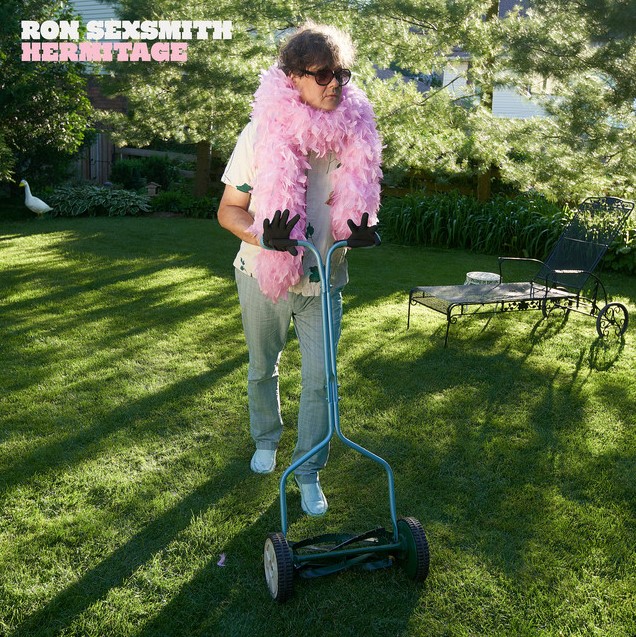
Ron Sexsmith is a Canadian singer-songwriter who first came to my attention through an article in the end-of-year Mojo magazine in 1995. Titled The Best Thing I’ve Heard All Year, it came with the rather grandiose sub-title “50 stars of screen and stereo reveal what’s glued to their gramophones”. Elvis Costello was one of the 50 and one of five pictured on the cover of the magazine where he was holding a copy of Ron Sexsmith’s self-titled major label debut album released that year. I recall being curious about his name (which is real and not stage related) but even on EC’s recommendation, I didn’t rush out and buy the record. I do have a copy of his Juno-award winning second album Other Songs which I probably bought after seeing Sexsmith supporting EC and Steve Nieve in Glasgow in 1999, when they toured as a duo. I can strongly recommend the track Nothing Good from that record as a perfect example of his oeuvre. Highly regarded as the songwriter’s songwriter with a penchant for understated, downbeat tales, his career has continued until today with modest success, giving him ‘veteran songsmith’ status – he even tried his hand at a novel in 2017. I am grateful to my friend (and future guest-blogger) Ken for bringing this particular track to my attention which appeared on Sexsmith’s 2020 album Heritage. Recorded after a move from living in Toronto to rural Ontario, the record has a mellow, pastoral feel and is atypically pretty upbeat throughout. The single You Don’t Wanna Hear It is excellent and Spring Of The Following Year opens with birdsong and develops into a lovely piano driven love song for a new season in a new place. I recall Ken commenting the arrangement felt like it was written and recorded by Paul McCartney back in the mid-60s when Jane Asher was still his muse. Close your eyes as you listen and you will see he is right!
One Hundred Years From Now – Wilco (1999)
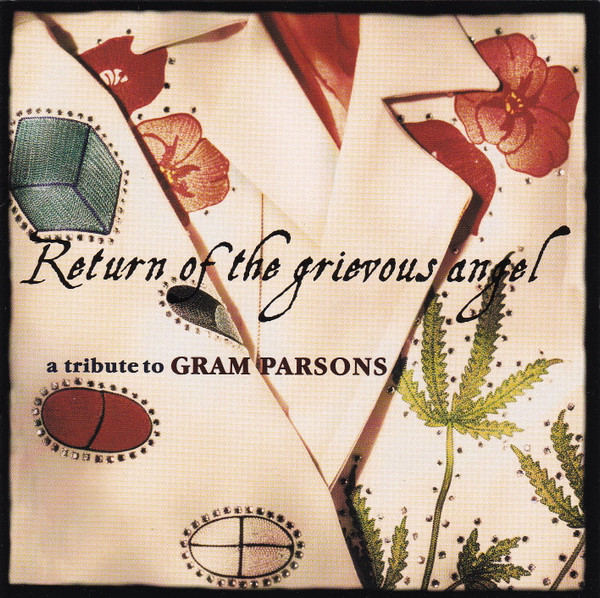
It shouldn’t come as a surprise to regular readers that I am using this theme week to shoe-horn another Wilco track on to the blog, their fifth entry over the last year. Like me, they are a band that love a good cover version and this track is one they contributed to an excellent Gram Parsons tribute album back in 1999. It had a stellar cast including Emmylou Harris, Beck, Evan Dando, Lucinda Williams, Ryan Adams, Gillian Welch and Elvis Costello. The Wilco line-up was the late nineties version when Ken Coomer and the late, great Jay Bennett were still in the band. As well as owning the Gram tribute CD, it should also come as no surprise that I also have this track on a beautifully packaged Wilco 4-disc box-set titled Alpha Mike Foxtrot: Rare Tracks 1994-2014. Parsons wrote this tune when he was briefly a member of the Byrds back in 1968 (see WIS22Sep23) and it was one of three songs he contributed to the landmark country-rock Sweetheart of the Rodeo album. The Byrds’ version has lead vocals by Roger McGuin and Chris Hillman and some lovely pedal steel guitar by Lloyd Green. Parsons would go on to form The Flying Burrito Brothers with Chris Hillman but they never re-recorded this track. Wilco’s version is different to the Byrds and I’m going to let Jeff Tweedy’s sleeve notes to Alpha Mike Foxtrot explain why:
“When we were asked to do this tribute record, I felt like everybody was going to be focusing on the Gram Parsons’ country contribution to rock music, and I thought that Wilco was in a position to remind ourselves that Gram really wanted to be a rock musician and that he worshiped The Rolling Stones. Everybody kind of ignores the rock side of what Gram Parsons did. Maybe it was just the contrarian in me, but I didn’t feel like being too reverential back then. I don’t think I would even now. It turns out that someone from The Flying Burrito Brothers – I’m not sure if it was Chris Hillman or someone else involved in the tribute album project – claimed that this was the track that Gram might have been the most happy with.”

Five Years – David Bowie (1972)
This is the third track this week from 1972 which was obviously the year to have the word ‘year’ in your song title. However, having bought Bowie’s single Golden Years when it came out in November 1975, I was sorely tempted to include it. But it is impossible to see past the stunning opening track from Ziggy Stardust for Bowie’s fifth track on the first year of the WIS blog, equalling Wilco’s count. I’ve chosen not to use the iconic Heddon Street image from the cover of Ziggy Stardust to illustrate this piece, opting instead for the cover of a box set titled Five Years. Released in 2015 not long before Bowie’s death, it chronicles all his recorded work between 1969 and 1973, which rather annoyingly is only four years. As an opening track on a quasi-concept album loosely based on the life of a fictional rock star, Five Years grabs your attention right from the off with its jaw-dropping drama. I still remember being stopped dead when I first heard this emotive apocalyptic tale: “News guy wept and told us, earth was really dying/Cried so much his face was wet, then I knew he was not lying”. Woody Woodmansey’s iconic drum beat which opens (and closes) the track is so deceptively simple but leaves the ominous impression of the heartbeat of time firmly ticking away. Sung over Trevor Bolder’s thoughtful bass line, Bowie’s jump-cut lyrics are crammed full of vivid imagery and the panic in his voice as it builds to the chaotic crescendo is underwritten by Mick Ronson’s manic string arrangement. It was recorded in Trident Studios in London in November 1971 just before Hunky Dory was released in December. Although Ziggy Stardust was not released until June 1972, Bowie recorded a version of Five Years for BBC Sounds Of The Seventies on Radio 1 in January 1972 when promoting Hunky Dory. He then appeared on The Old Grey Whistle Test with the Spiders on 8 February and, as well as Queen Bitch and Oh You Pretty Things, they did a great version of Five Years, with Bowie on a 12 string and Mick Ronson at the piano. Timeless.
Tender Years – Robert Forster (2023)
Last week’s blog gave a first appearance to the Go-Betweens when I playlisted a lovely Grant McLennan penned track from their 1989 LP 16 Lovers Lane. I mentioned it was a tough decision not to pick Robert Forster’s Dive For Your Memory from the same record but I went for Quiet Heart and the blog was published at 5pm last Friday. And that’s where the evening went a bit weird. That night Lynn and I had tickets for a new play at the Lyceum in Edinburgh called Two Sisters written by artistic director David Greig. The play was based in a seaside caravan park in Fife where two very different thirty-something sisters return for the first time in 20 years since their childhood holidays and bring their career anxieties and emotional complications with them. The presence of the former camp DJ, who is now the caretaker, allows the comical but sometimes melancholy narrative to explore common themes of youth, longing and growing up. Musical references are used throughout and add to the sense of nostalgia for a lost youth and its unfulfilled promise. At one point, the older sister Amy, played brilliantly by Shauna Macdonald, goes into the caretaker’s van where he keeps his old record collection. Incredibly, she reappears at the door holding a copy of 16 Lovers Lane by the Go-Betweens! As she tells the tale of how she listened endlessly to the record back in those far off-days when she was 16, she places it on an old record player and Dive For Your Memory echoes hauntingly around the theatre! I felt this incredible coincidence justified the selection of this great ‘years’ track from Robert Forster’s most recent solo record The Candle And The Flame, released in February 2023. His songwriting remains top notch over forty years since he formed The Go-Betweens and listening to this reminds me of the time Lynn and I were visiting our friends Mike and Mel in Melbourne in 2015. Somehow, we walked in off the street and blagged tickets to see him perform at the closing evening event of the Warhol/WeiWei exhibition at the National Gallery of Victoria. Very lucky.
Good Year For The Roses – Elvis Costello and the Attractions (1981)
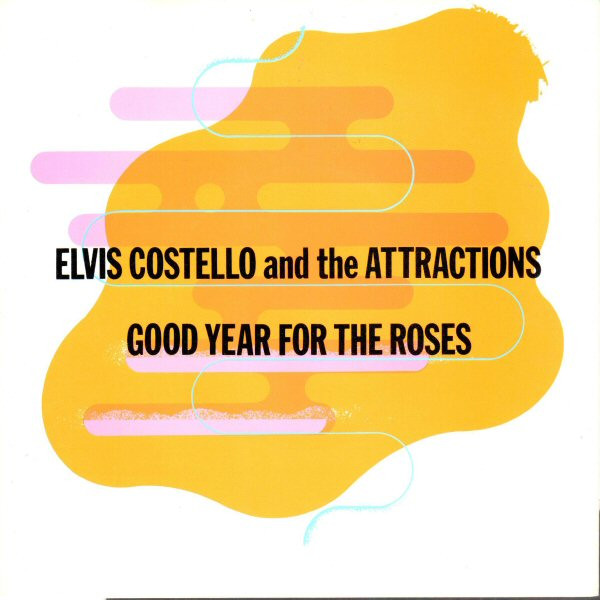
Ever since I decided last month not to add the Ivor Cutler track to the WIS Master Playlist, the uneven number of tunes on there has been bugging me. So, I thought I would use the first anniversary of the blog to put some balance back into my universe by including an extra track for one week only. No particular surprise in the choice of artist, other than EC is lagging one behind Bowie and Wilco in the first-year appearance count. However, playlisting This Year’s Girl (from the album This Year’s Model) would have been the easy option for the ‘year’ theme – but Costello is never an artist for the easy way. In 1981, five quickfire albums into a career of generally snarly rock music, Costello decided to take a break from songwriting and began to collate material for a covers record. What started as a collection of melancholy songs in various styles morphed into a country ballads record. As with Paul Weller last week, shouts of Judas from the faithful were misplaced. Listen to his Radio Sweetheart on the b-side of his first single or Stranger In The House, one side of the free single included in early copies of the This Year’s Model LP – he even went to Nashville in 1978 to record it as a duet with George Jones. So a trip back there to record Almost Blue’s collection of tunes with Billy Sherrill was no great surprise. Costello tackles songs recorded by the likes of Merle Haggard, Patsy Cline, Loretta Lynn and Charlie Rich and two tracks by Gram Parsons, firing my interest in Gram’s Cosmic American Music. Presented with this, a somewhat startled record company chose to push Good Year For The Roses as the single, a track EC knew from a George Jones recording. Written by Jerry Chesnut, who was responsible for Farren Young’s At Four In The Morning, it is the tortured tale of a man whose wife is leaving him with lyrics that combine the sadness and bitterness of marital breakdown. Somewhat implausibly, the video for the song was shot in a hotel in Oldmeldrum in Aberdeenshire while the band were in the area to perform at the Aberdeen Country and Western Club, filmed as part of a documentary on the Almost Blue album. Hard to imagine the single reached No 6 in the UK charts.
Last Word
I suspect that my comments on the uneven number of tracks on the Master Playlist suggest to some of you that I suffer from Obsessive Compulsive Disorder. In my defence, I should point out I have coped with a larger anomaly. Due to an early (and not to be repeated) week off just after I started publishing the blog and also my decision to spare you all from Christmas tracks in July, the count for the first year is in fact just 50 weeks = 300 tracks. However, having a weekly blog of six tunes with an uneven 299 tracks was just too much…
All three hundred numbers are waiting for you at the link below!
AR
 Week In Sound
Leave a comment