It’s the second guest blog of November and my old pal Marion de Voy brings a much needed female spin to picking some top tunes to write about. Enjoy!
First Word
I am delighted to have been chosen from the multitudes to be this week’s guest presenter on Week In Sound. Those who know me would be forgiven for thinking ‘Ah yes, death-themed songs; that’ll be it’ but in fact, I’m going with an altogether sunnier theme, inspired by a comment in WIS 28 July 2023. Summer Breeze Parts 1 and 2 (the Isley brothers, 1973) probably is the perfect summer song, but there are others jostling for position, so as I sat on a balcony in Greece last week enjoying a magnificent electric storm and watching the monsoon-like rain, it seemed the perfect time to think about a theme dedicated to songs that speak of summer: both a celebration of great tunes over the years, and as the days grow shorter, a threnody, if you will, to the passing of the season.
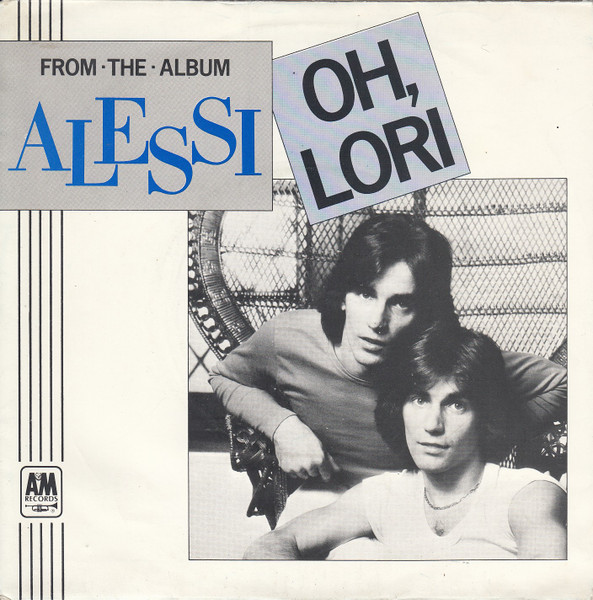
Oh Lori – Alessi Brothers (1977)
Released in autumn of the previous year, Alessi Brothers’ Oh Lori was everywhere in the summer of 1977. Its light jazz-based melody, combined with the brothers’ soft falsetto made for a distinctive easy-listening sound, while the upbeat lyrics melted every teenage girl’s cheesecloth-shirt covered heart. The Alessi Brothers are identical twins who have the rare distinction of being one-hit wonders in the UK and the US with two different songs (Put Away Your Love was apparently their minor hit in the US). I’m not saying Oh Lori is cool, but tell me it doesn’t take you straight back to the summer of 1977.
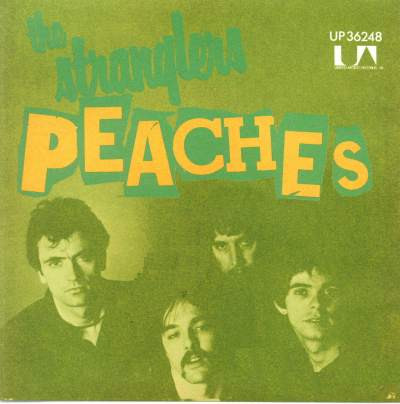
Peaches – The Stranglers (1977)
Just in time for summer, Peaches was released in May 1977 from The Stranglers’ debut album Rattus Norvegicus and sung by Hugh Cornwell. The evil twin to Oh Lori, the contrast between these two 1977 summer songs couldn’t be greater. Even at the time, this song felt lascivious and sleazy despite some questionable lyrics and some very contrived rhymes. Nevertheless, the instantly recognisable bassline is irresistible; Jean-Jacques Burnel later suggested that it was supposed to be a reggae beat, although he acknowledged that it had missed the mark on that front. Its simple, insistent bassline might not be reggae but it drives the whole song. Despite its dark undertones, it has popped up in a number of places since then – improbably, an edited version minus the lyrics was used as the closing theme tune to many of the TV chef Keith Floyd’s Floyd on… television shows, and more fittingly, it was also used as the title music in the opening sequence of the dark 2000 British film Sexy Beast starring Ray Winstone and a magnificently menacing Sir Ben Kingsley (apparently he insists on the “Sir”). A great song of its time, but probably not one you could release now.
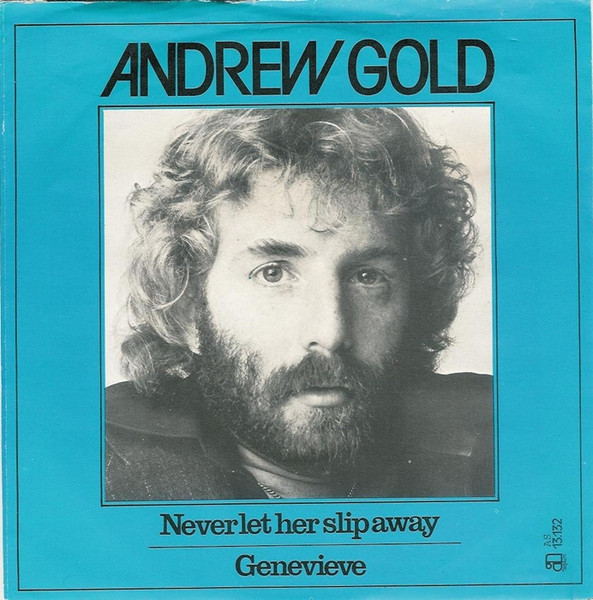
Never Let Her Slip Away – Andrew Gold (1978)
Look, these are summer songs, so you can’t blame me for including Andrew Gold’s happy, upbeat Never Let Her Slip Away, even if it is an avowed favourite of Alan Partridge. (By way of balance, Dave Grohl called Never Let Her Slip Away “the most beautiful piece of music ever written,” and “maybe one of the most melodically sophisticated songs I’ve ever heard in my entire life,” and noted his plans to record a cover version of the song” though I don’t think that’s ever actually happened.) Released in 1978, and written by Gold about meeting his then girlfriend, this upbeat and unashamedly romantic ditty was in the UK top 10 for 7 weeks. Andrew Gold had some personal success with albums and singles in both the UK and the US, and influenced much of the West Coast pop/soft rock sounds of the 1970s, but the bulk of his work before his death at the age of 59 was in writing for and performing with other artists, notably Linda Ronstadt. The famous saxophone solo on Never Let Her Slip Away was played by acclaimed American jazz and rhythm and blues saxophonist Ernie Watts, and although uncredited, Freddie Mercury provided backing vocals on this track.

Word Up – Cameo (1986)
A few years later, and another cracking tune with an infectious rhythm which filled up dance floors in the summer of 1986. Word Up was the first single from Cameo’s 13th album of the same name. Its catchy, deep funk sound ensured commercial success but it also earned critical acclaim, winning the NME Award for Best Dance Record and numerous other awards. “Word Up” was a colloquialism, popular in New York City, that acted as an affirmation of what had been said — a kind of a more hip “You bet.” The outfits the band donned for their Top Of The Pops appearance certainly caught the eye, notably lead singer Larry Blackmon’s tight black leggings while wearing his heart on more than his sleeve. Don that codpiece and boogie!!
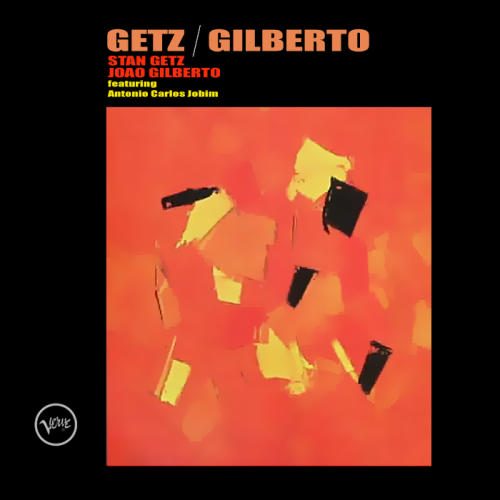
The Girl From Ipanema – Stan Getz, João Gilberto, Astrud Gilberto (1964)
This song popularised Brazilian bossa nova throughout the world, and its languid tempo just oozes summertime. With lyrics originally written in Portuguese, the idea of cutting an English-language version came up during a recording session in New York with João Gilberto and American jazz saxophonist Stan Getz. Norman Gimbel (who went on to write Killing Me Softly) wrote the English lyrics, and João’s wife, Astrud Gilberto, was the only one of the Brazilians who could speak English well enough to sing the song. Her voice proved a perfect fit for the song, which was a massive hit in the US and beyond, going on to win four Grammys. Astrud was not credited on the original recording, and apparently received only $120 for her part and did not receive royalties subsequently, although she was identified with the song for the rest of her life, until her death in June this year at the age of 83. The playlisted version was released in 1964, and is believed to be the second-most recorded pop song in history, after Yesterday by The Beatles.
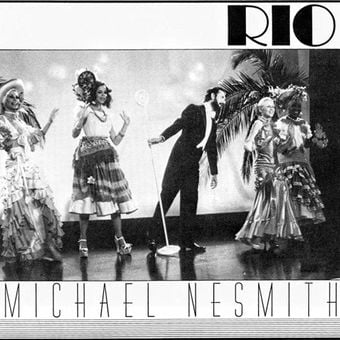
Rio – Michael Nesmith (1977)
Segueing nicely to another summery number with mention of Brazil, Michael Nesmith’s whimsical, contradictory lyrics make this quirky little tune a joyful experience in a low-key sort of way. Loosely related to Fred Astaire’s Flying down to Rio from the 1933 film of the same name, it’s more about freedom and possibility than glamour. Michael Nesmith was of course better known as a member of the manufactured boy band, The Monkees, but he was a prolific musician in his own right. Although this single was not a hit in the US, Rio became Nesmith’s most successful solo single in other countries. The video which accompanied it is considered by some as the first true music video.
Last Word
This theme proved to be a fertile one, and it was a struggle to keep it to six tracks, with Labi Siffre, the Ting Tings, Durriti Column and others all vying for position. It was great fun though, so thanks to Mr Richmond for the chance to put in my tuppenceworth.
Finally, I’d echo the comments he makes most week’s about giving the master playlist a go if you haven’t already – it’s a cornucopia of groove!
MdV
 Week In Sound
Leave a comment