WIS loves an unusual cover so this is a special theme week showcasing six tunes that have been radically re-worked from the originals by the cover artists. Enjoy!
First Word
I’ve been away most of this week so this is a (slightly) shorter version of the blog – huzzah! Prepared in the format used for the Dylan and Springsteen cover theme weeks, where the cover song’s original track is included with an embedded link to it.
I Heard It Through The Grapevine – The Slits (1979)
Original: Marvin Gaye (1968)
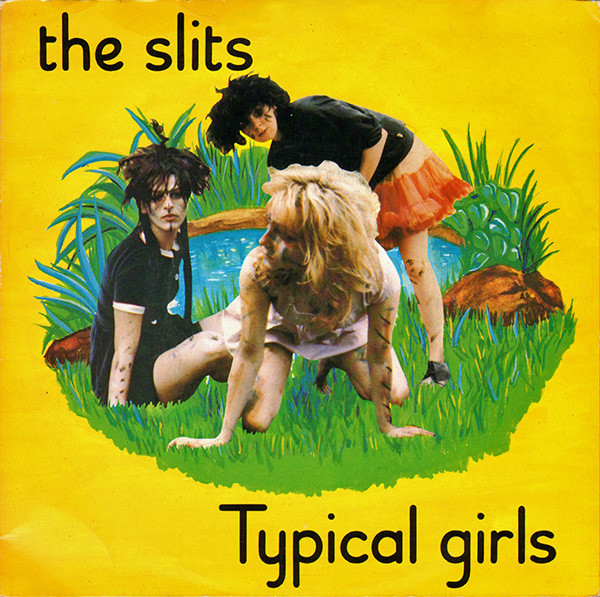
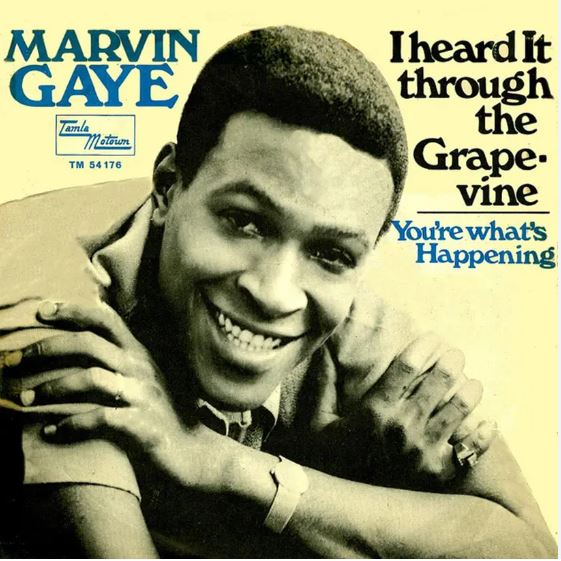
So we’re starting with a controversial choice of ‘original’. This timeless classic was written by Motown songsmiths Norman Whitfield and Barrett Strong in 1966 and The Miracles were the first artists to record a version that year which label boss Berry Gordy rejected as a single release. Gaye recorded his version in early 1967 but this was also blocked by Gordy in favour of releasing a funky arrangement of the song by Gladys Knight & The Pips as a single in September 1967. It was a huge hit but, if you listen to it, it could be argued that Gaye’s version, released in late 1968, is a fairly radical re-working in itself. An even bigger hit than the Gladys Knight single, Whitfield’s arrangement for Gaye is slower and more soulful and is generally considered by critics to be the definitive recording. What is not in dispute is the radical nature of the cover by The Slits. Originally an all female punk band from London who were on the bill of The Clash’s White Riot tour in 1977, their raucous live art-pop sound became cleaner and more bass orientated with the arrival in the band in 1978 of future Siouxsie & The Banshees drummer Budgie. By the time they recorded their debut record Cut in 1979, they were fusing reggae into their post-punk sound. Dub producer and Linton Kwesi Johnson collaborator Dennis Bovell was hired to produce the record. The Slits developed songs that were not in the traditional verse-chorus format with off-beat guitars and vocals and changing time signatures. This is typified in the great single Typical Girls, apparently a favourite record of Kurt Cobain as well as me! Although they recorded their cover of Grapevine in the sessions for the LP, it was only included as the brilliant b-side of this single. Recorded in their own unique dub-punk style with a deep rumbling bass underpinned by chopped guitar and angular drums, the music manages to gives off an ominous undertone. But it is singer Ari Up’s amazing vocal performance that transforms the song into something completely different. I heard it through the bass line, indeed.

Jump (Loaded Version) – Aztec Camera (1984)
Original: Van Halen (1984)
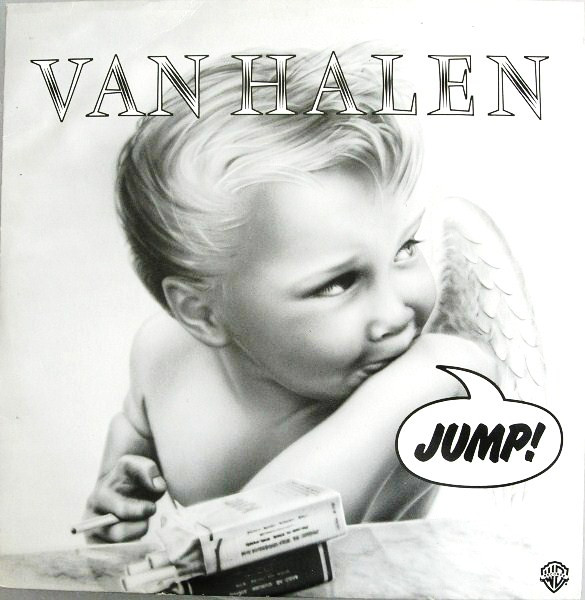
I think it’s fair to say that I was no Van Halen fan back in the 1980s. They were one of a litany of mostly American soft rock bands like Aerosmith and Motley Crew who built a career out of appearing on MTV wearing spandex body suits playing duff tunes with soulless guitar solos while wind machines blew through their poodle haircuts. Pretty much everything I detested back then and still do now, to be honest. So you can imagine my horror when, in September 1984, I turned over my recently purchased copy of Aztec Camera’s 12 inch single All I Need Is Everything to find Roddy Frame had recorded a cover of Van Halen’s recent single Jump. Apparently written by singer David Lee Roth after he had seen a TV news story about a man about to throw himself of a building, it was a huge global hit for Van Halen earlier in the year, reaching No 7 in the UK singles chart. The song was actually a bit of musical departure for Van Halen as they were following the trend for rock bands in the 80s to use synths to make them more radio friendly – it didn’t make me like it any more, though. So, as I tentatively dropped the needle on my single, I wasn’t sure what to expect. What I got was a stripped back version where the synths and the bombast of the orginal are replaced with some delicate acoustic guitar and a languid vocal. A piano helps build the arrangement to something more rock-like until, three and a half minutes in, Frame stomps on his distortion pedal and delivers a completely over the top rock guitar solo, wigging-out with every cliche in the book thrown in. He sounds like he’s having a ball and it is clear his tongue is firmly planted in his cheek throughout.
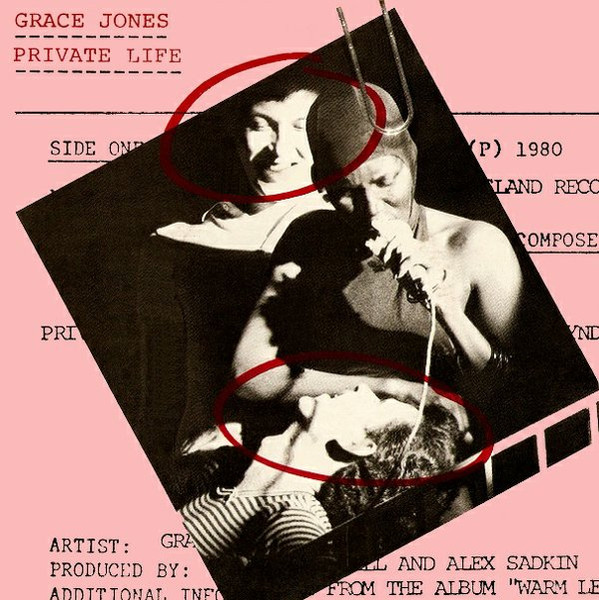
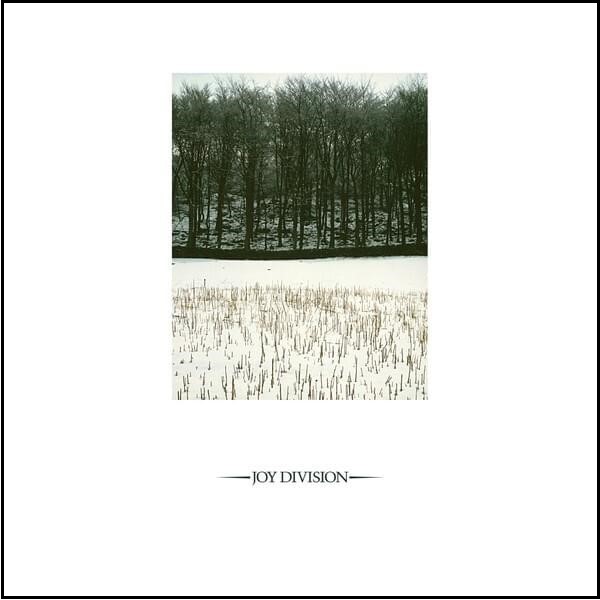
She’s Lost Control – Grace Jones (1980)
Original: Joy Division (1979)
I was lucky enough to see Joy Division perform this song in October 1979 at the Glasgow Apollo when they were promoting their Unknown Pleasures debut album and had a support slot on fellow Mancunians Buzzcocks’ national tour. Ian Curtis had written the song about a woman he met through his work who suffered from epileptic seizures, similar to him. She had eventually died from a seizure during sleep which left him fearful of a similar fate. Although the song appears on their debut LP, the band re-recorded an extended, more electronic version with an additional verse in March 1980. This was one of the last studio recordings by the band prior to Curtis taking his own life on 18 May, at the age of just 23. Factory released the re-recorded track as the b-side of the Atmosphere 12 inch single in August 1980, as the band’s final single. Given that backstory, it is not surprising that few major artists have decided to cover it but Grace Jones was one and she moved quickly. She based her version on the Unknown Pleasures 1979 release and recorded it at the end of the Spring 1980 sessions for her Warm Leatherette LP, around the time that Joy Division were doing their alternative version. It didn’t make the cut for her LP but was released some six weeks after Curtis’ death as the b-side to her Private Life single, itself a cover of a Pretenders song. As you will hear, like many of her covers she employs her dub reggae beat with a slightly wonky sounding synth pulsing out the melody. Her aggressive vocal performance makes it very much her own.
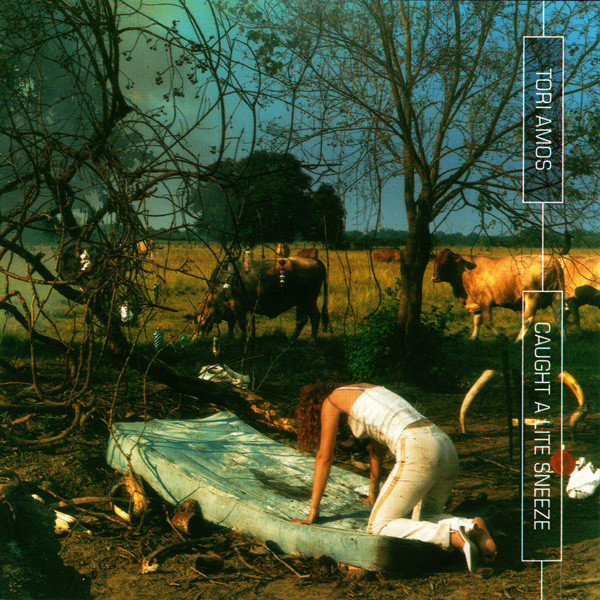
London Girls – Tori Amos (1996)
Original: Chas & Dave (1983)
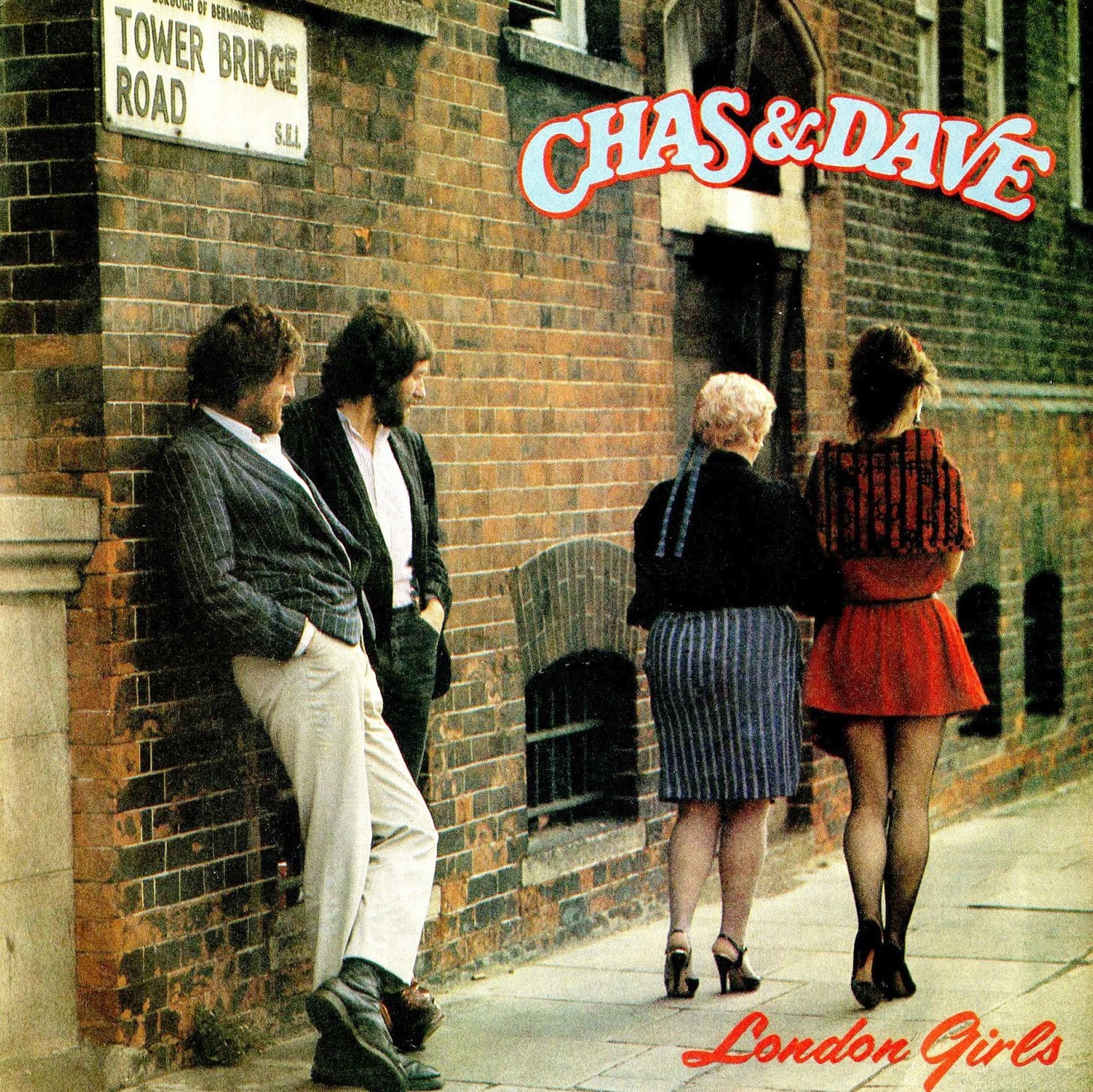
So when I did the blogs on London songs a few weeks ago, I was challenged by my friend Mark about not having a Chas & Dave song in there. He was only half-joking, I think, but I promised him a cover in the weeks ahead. And here it is. I think everything you need to know about the Chas & Dave tune can be seen in the picture sleeve of their single above. It’s their classic east-end pub piano, knees-up singalong stuff. With lines like “Marry a girl from London town, you know you can trust ’em/They’ll darn your socks and wash and mend, your trousers if you bust ’em”, it does beggar belief that the intense, arty American singer songwriter Tori Amos would cover it. But cover it she did. Actually, she recorded this and a second Chas & Dave tune (That’s What I Like, Mick) and released them both on the b-side of her UK top 20 single Caught A Lite Sneeze, which came from her 1993 album Boys For Pele. I found someone on a Tori Amos fansite claiming she covered the Chas & Dave songs as a way to win over her largely male crew, who were hesitant about working under the helm of a female producer. I have trouble believing this but, while her reasoning is unclear, her cover can certainly be filed firmly under ‘radical’. Done in a smokey jazz club piano style, she stretches the vocal from breathy to manic, playing with the pronunciation of the words to the point that the naff lyrics kind of disappear as her voice becomes another instrument in the sparse arrangement. I hope you agree that it’s very strangely enjoyable.
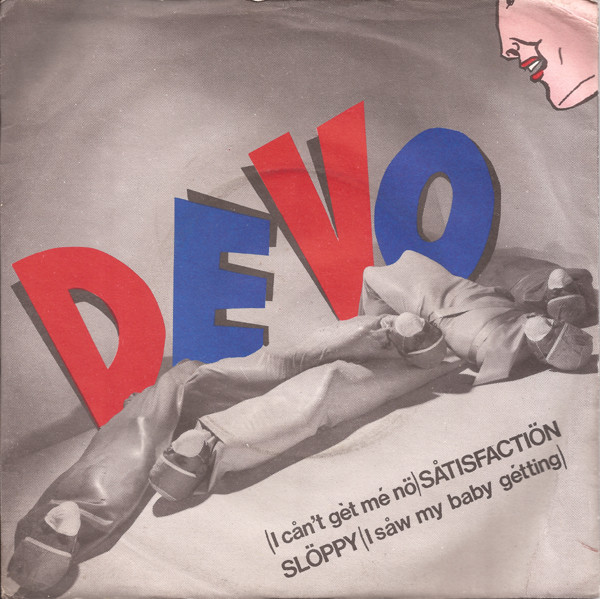
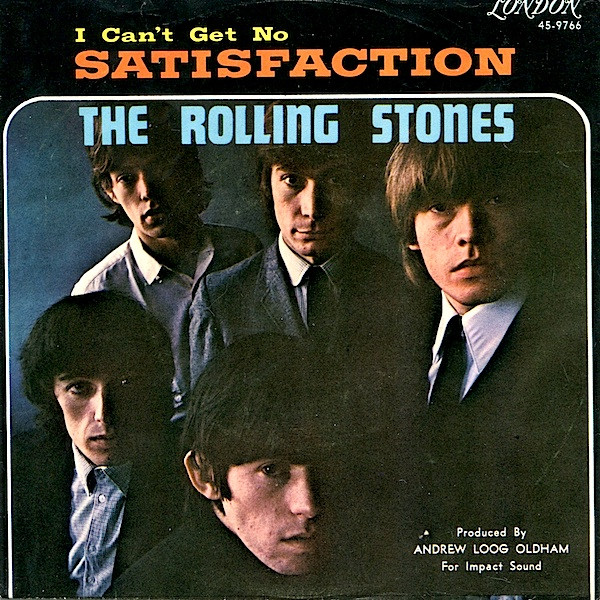
(I Can’t Get Me No) Satisfaction – DEVO (1978)
Source: Rolling Stones (1965)
DEVO were a band who came into my orbit via my friend Ken, who back in those days was an expert at picking up on oddball artists. And DEVO were very definitely oddball. Formed in the unlikely surroundings of Akron, Ohio – “the rubber capital of the world” – the band emerged in the mid 70s from a local art scene where films and music were created and the Akron Sound was almost the next big thing. Their classic line up included two sets of brothers – Mark & Bob Mothersbaugh and Bob & Gerry Casale – and their own dreamed up concept of de-evolution, where mankind stops evolving and begins to regress, gave them their name. Ken had picked up on their weird first US single Jocko Homo released in the US on their own Booji Boy label but imported and then imprinted by Stiff Records in the UK in 1978. Put onto it by Ken, it became a cult record in my final year at school and the “Are We Not Men? We Are DEVO!” refrain could be heard in the corridors. Stiff then released a second single which was this amazing deconstructed version of the Stones’ 1965 cut. Although recognisable, the drum pattern and the guitar figure combine with the mad vocal delivery to make it sound like the song came from another planet. The crazy repetition of ‘baby’ in the last verse is just lunatic genius. I also loved the way that the fantastic (and equally nuts) b-side had been titled to balance the brackets of the a-side: Sloppy (I Saw My Baby Getting). Like Ken, me and my schoolmates, David Bowie was also a fan of these early singles and got Warner Brothers to offer the band a major deal where Brian Eno was wheeled in to produce their first LP. But in re-recording the early tracks, even with Eno at the helm, something intangible from these nascent recordings was lost forever.
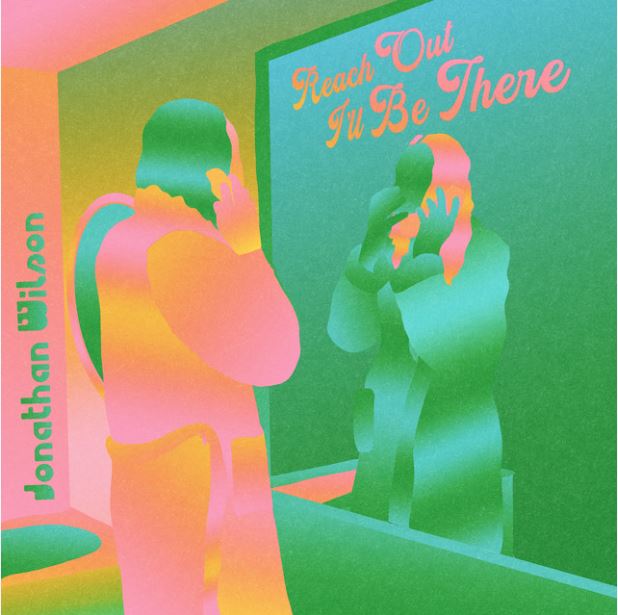
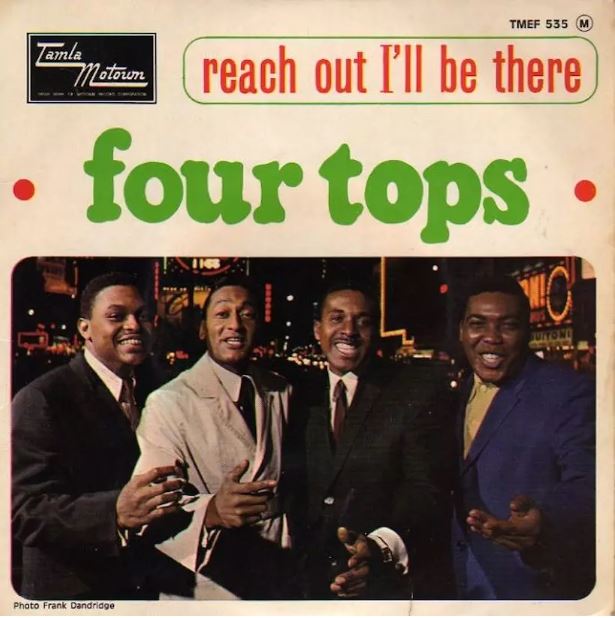
Reach Out I’ll Be There – Jonathan Wilson (2020)
Source: The Four Tops (1967)
I wrote about The Four Tops a couple of months back when the wonderful Bernadette was playlisted in WIS 9 June, the week of Levi Stubbs’ birthday. I still can’t understand why I managed to get through that post without going down the rabbit hole of Billy Bragg’s sublime song Levi Stubbs’ Tears. But that will have to wait for another day as this post is going to focus on a cover of one of the Tops’ other big hit songs which was written by Holland-Dozier-Holland and released as a single from their 1967 album Reach Out. I first became aware of Jonathan Wilson when his beautiful track Can We Really Party Today? was included on a cover-mount CD attached to The Word magazine in October 2011. Another track from his Gentle Spirit debut LP was included on their Best Of 2011 CD in December 2011, this time the amazing Desert Raven. Even a casual listen to one of these tracks would tell you he was an artist in thrawl to the 70s folk rock sound associated with Laurel Canyon scene, a area in the hills just outside Los Angeles. A consummate musician, he wrote, played and produced the album himself and the acclaim he garnered for that record meant that he could invite a number of famous contributors on to his next collection Fanfare. Guests included David Crosby, Graham Nash, Benmont Tench, Father John Misty, Wilco’s Patrick Sansone and Dawes. Fanfare ended up being one of my favourite albums in 2013 and something from it may well feature in a future blog. But since then, he has been concentrating on producing records for others and I’ve lost touch with the two LPs he has released himself. However, I did pick up on this really great cover of Reach Out, which appeared as a single during lockdown and re-works the tune as a ballad. It is unmistakably his work, from the laid back tempo to the breathy double-tracked vocal while the guitars and the strings hover gently in the background and the whole thing just shimmers. Others might disagree, but I feel he manages to maintain the soul of the original if not the soul sound of the Four Tops at their best.
Last Word
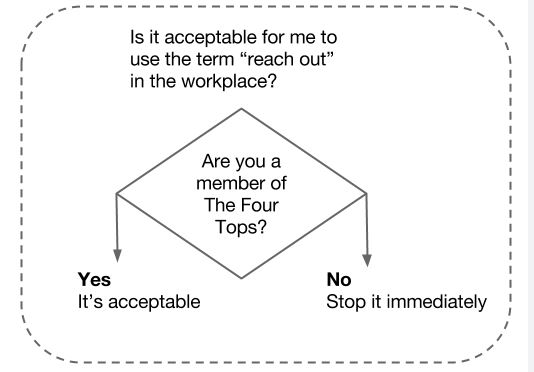
So it wasn’t that much shorter but rabbit holes were mostly avoided. And the last track allows me to present my favourite meme of all time about a phrase which has become normally used in the modern office, particularly by those of an HR persuasion.
The Master Playlist has been added to again and is still available at the link below. It’s what the shuffle function is made for!
AR


 Week In Sound
Leave a comment